Fair terms
A written offer based on the property and the work needed to make it usable.

FOR LANDOWNERS & BROKERS
It costs you nothing to find out. The studies, engineering, and permitting are on us. We provide clear terms and direct updates from the first review through closing.
ANANTANADI.COM
A STRAIGHTFORWARD PATH
A written offer based on the property and the work needed to make it usable.
We pay for utility studies, diligence, engineering, and permitting.
You receive a defined schedule and direct updates as the work moves forward.
The rest of your land stays yours to farm and use. We do not seek blanket rights over land we do not pay for.
THE JOURNEY
We gather the property details and give you an initial view of fit. This takes days to weeks and is at our cost.
You receive a written option that states payments, timing, access, and responsibilities.
We fund the studies, utility coordination, engineering, and approvals, with updates along the way. Utility studies and public approvals are the slow part, and we say so up front.
When the agreed conditions are met, you are paid on the terms set at the start.
Footprints are measured in acres, not hundreds of acres.
Visualization
HOW PAYMENT WORKS
You receive option payments while we complete diligence at our cost.
If milestones take longer, staged extensions continue only on the written terms.
The agreement converts to a purchase or long-term lease with defined terms and escalators.
Every property is different. The written proposal states price, timing, access, and responsibilities before anything is signed.
If we walk away, you keep every payment made and your land, unencumbered.
WHAT WE LOOK FOR
Rural or edge-of-town parcels with room for a well-planned site.
Property within practical reach of existing electrical infrastructure.
A route that can serve construction and long-term operations responsibly.
Industrial and commercially zoned parcels are welcome, alongside farmland and open land.
Not sure your land fits? Send the details anyway. The screen costs you nothing.
WHAT WE BUILD
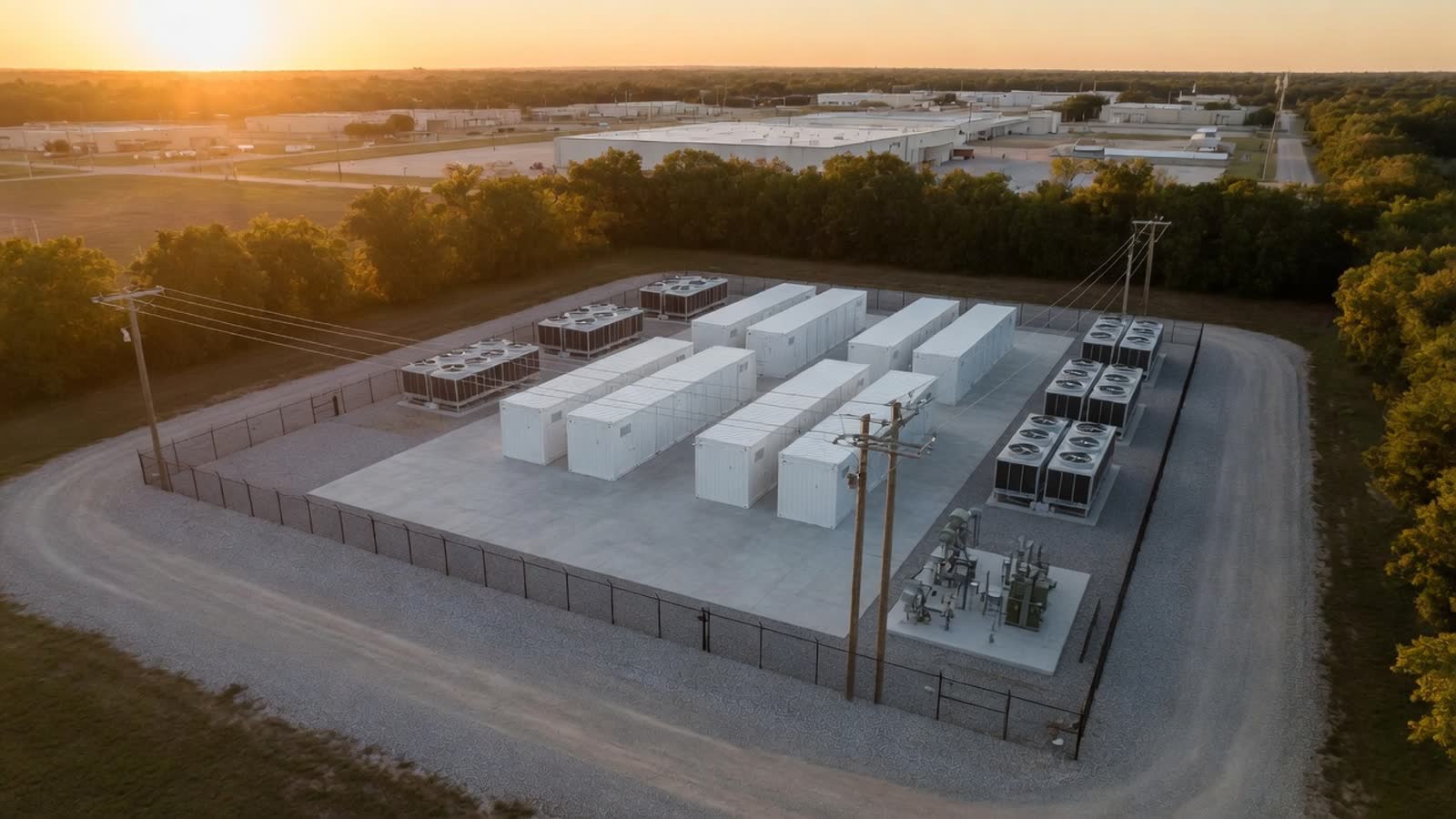
Footprints are measured in acres, not hundreds of acres. A set of factory-built, self-contained compute modules with integrated liquid cooling is delivered to a prepared pad with external chillers and cooling equipment.
The modules and cooling equipment are screened and set back. The site is quiet by design, and its equipment and operation are addressed in the public permit record. Where the land is agricultural, the remainder of the parcel can keep working.
RELATIVE SCALE
Our facilities use roughly four to twelve acres depending on capacity. Where the land is agricultural, the surrounding parcel can keep farming.
SOUND
The main sound from a site is its cooling equipment, a low, continuous fan hum.
Sites are designed for quiet operation, with screening and setbacks between the equipment and the property line. The design target is to meet local noise limits at the property line, typically in the 40s dBA at night in rural areas. These commitments are recorded in permit conditions.
AT THE FENCE - ABOUT 50 FEET
AT ABOUT 300 FEET
AT ABOUT 1,000 FEET
Simulated equipment sound with a constant rural background, for relative comparison. Not a recording of an operating site. Level differences between clips are reduced for playback; at real distances the drop is larger, roughly fifteen decibels at three hundred feet and twenty five or more at one thousand feet. Set your volume so the first clip is comfortable, then leave it unchanged.
COMMON QUESTIONS
No. The studies, engineering, utility work, and permitting needed for our review are on us.
It gives us the exclusive right, but not the obligation, to purchase or lease the agreed property during a stated period. Payments, access, timing, and responsibilities are written down.
You remain the owner and continue paying ordinary property taxes. The agreement addresses tax changes caused by our project. Raise agricultural status and rollback taxes during your review.
Land terms can move in months. Utility studies and public approvals can take months to years. We state the expected schedule and update you when it changes.
Usually, yes. The agreement limits our rights to the agreed footprint and describes the access needed for surveys and studies.
You keep every payment already made, and your land remains yours without our agreement encumbering it.
Yes. We expect and welcome your counsel's review before you sign.
Yes. We coordinate with brokers and other land professionals at your direction.
Removal and restoration obligations are written into the agreement and applicable permit conditions.
We carry insurance and indemnify you for our activities as stated in the agreement.
Payments made are yours. Protections and obligations are written to survive, and assignment rights are addressed in the agreement.
A clearly identified Ananta entity. The legal counterparty is stated before signing.
The facility is designed for quiet operation, screening, and low traffic. These matters go through public review, and we present to the community, not around it.
The agreement allocates responsibility for changes arising from our project. You stay the owner during the option period.
YOUR QUESTIONS
Every question gets a direct answer from the team. Common questions become new entries and short videos on this page. Include the parcel location and any details you have.
Ask a questionFOR BROKERS
Share the property details you have. We will respond directly and professionally.
FROM THE ROAD
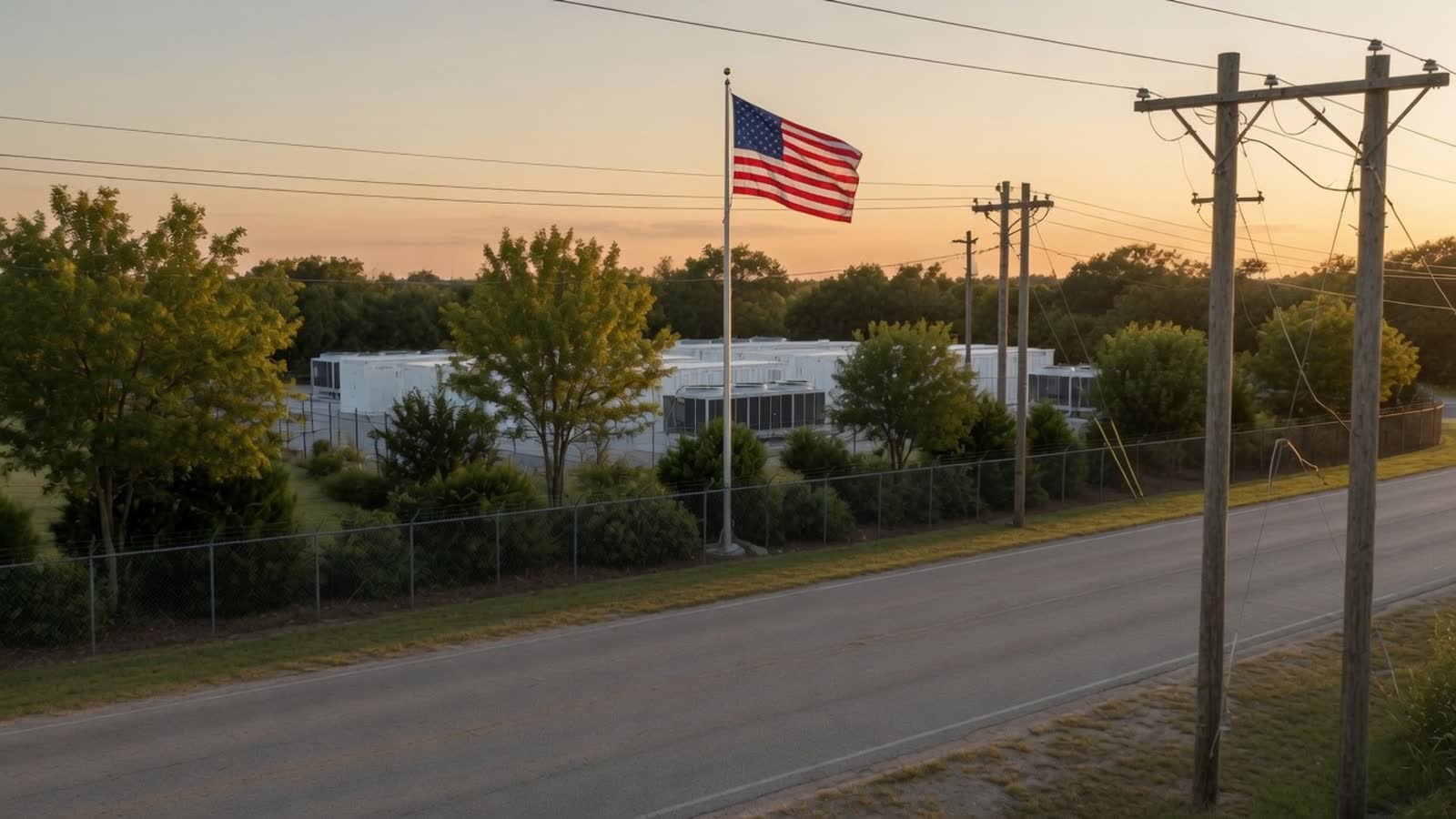
A CONSIDERATE NEIGHBOR
We come early to the public process. Commitments made in permit conditions are recorded and enforceable. The facility is designed to be a quiet, low-traffic neighbor.
EXPERIENCE
Ananta is led by a team with two decades of utility-scale energy infrastructure development experience across U.S. markets.
Active across the Northeast, Mid-Atlantic, and Midwest.
START A CONVERSATION
Send the location, parcel size, and any details you have. A broker or counsel is welcome from the first call.
[email protected]